


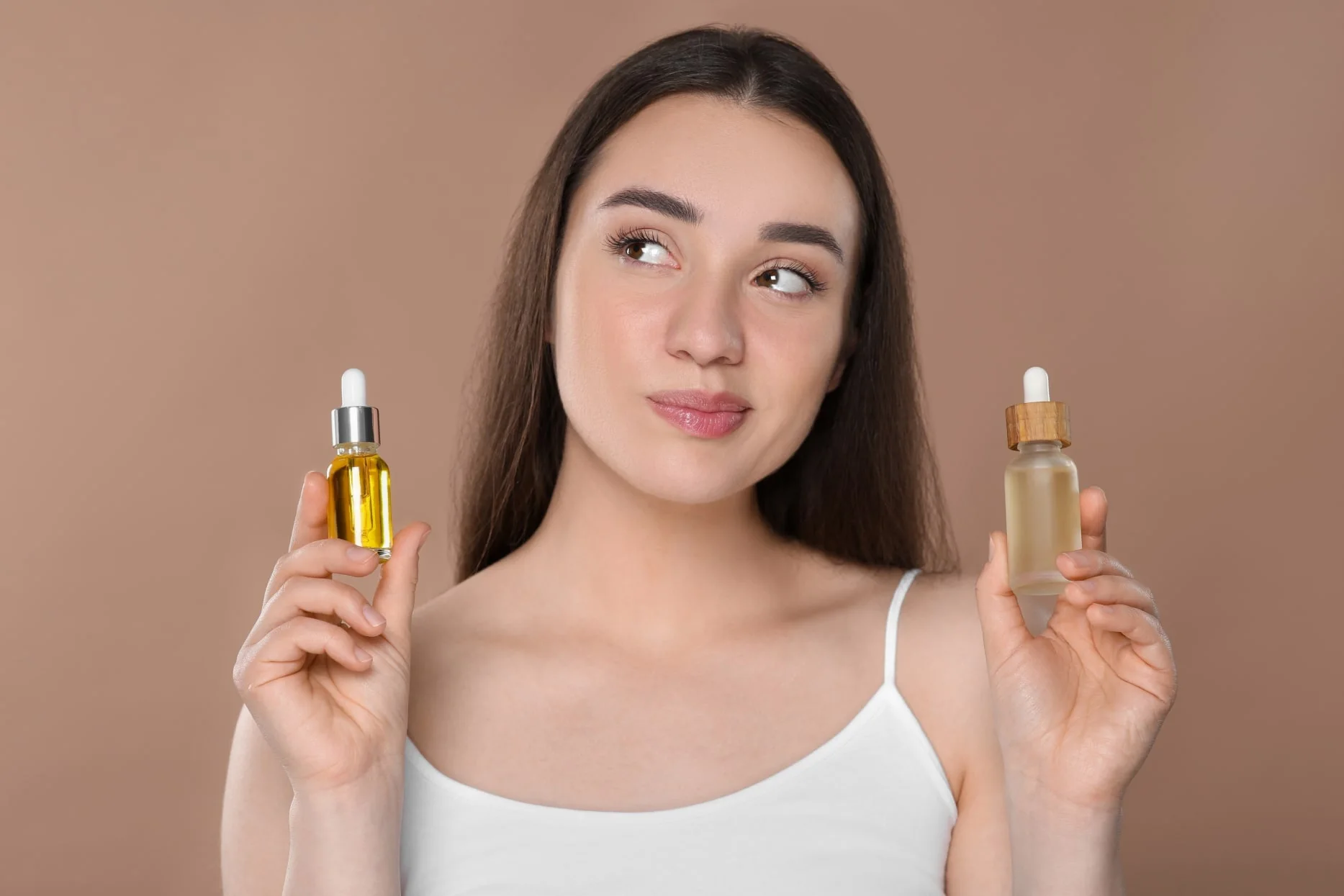
How to Choose a Face Serum: Actives, Skin Needs and 9 Examples
Looking for the right face serum? This guide covers formula selection for different skin needs, correct application and nine product examples for hydration, uneven tone, pigmentation and visible signs of ageing.
Video: how to choose a face serum
Serums use concentrated active ingredients to address specific concerns such as hydration, visible signs of ageing and pigmentation. Their lightweight texture absorbs quickly and helps the products applied afterwards spread comfortably.
Many customers report smoother, more radiant-looking skin within a week of adding a suitable serum to a consistent routine.
How to choose a serum for your skin type

For dry skin: look for serums with hyaluronic acid and natural oils. These ingredients support intensive hydration and nourishment.

For oily and combination skin: niacinamide and salicylic acid can help control excess sebum and reduce the appearance of pores.

For mature skin: formulas with peptides, retinol and vitamin C can support renewal, firmness and the appearance of fine lines.

For sensitive skin: choose gentle fragrance-free formulas with soothing ingredients such as aloe vera or chamomile.
Key serum ingredients and their benefits

Hyaluronic acid: a humectant that helps retain water and supports smoother, plumper-looking skin.

Niacinamide: supports the skin barrier, helps even the look of tone and reduce visible inflammation.

Peptides: support firmer-looking skin and help improve the appearance of texture.

Retinol: an active used for visible signs of ageing and uneven texture. Introduce it slowly and use daily SPF.

Vitamin C: an antioxidant that helps brighten tone, address pigmentation and protect against free radicals.

- Cleanse makeup and impurities from the skin.
- Use a toner if desired.
- Apply 2–3 drops to the face and neck.
- Follow with a moisturiser.
- Use sunscreen during the day, especially with retinol or vitamin C.
Gently spread the product using circular movements without pulling the skin.

Below are nine serums for different skin concerns. Product cards come from the live BODYCARE catalogue, so disabled products are hidden automatically.
TOP 9 serums for different skin concerns

Manyo Galac Niacin 2.0 Essence Serum 30 ml
Manyo Galac Niacin 2.0 Essence Serum 30 ml is a serum by Manyo.

Round Lab Birch Juice Moisturizing Serum 50 ml
Round Lab Birch Juice Moisturizing Serum Serum 50 ml is a serum by Round Lab.
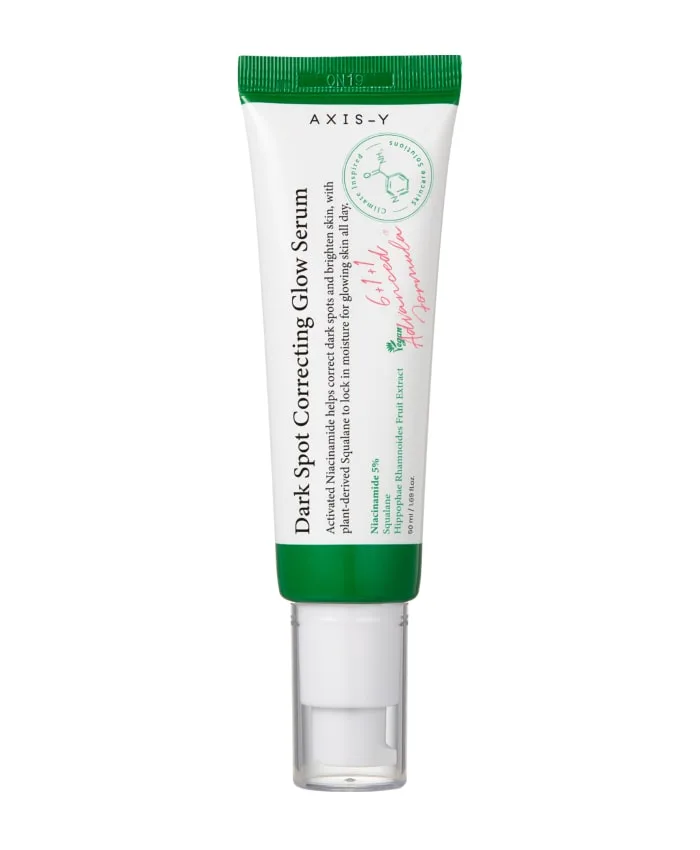
AXIS-Y Dark Spot Correcting Glow Serum 50 ml
AXIS-Y Dark Spot Correcting Glow Serum Serum 50 ml is a serum by AXIS-Y.

The Ordinary Retinol 1% in Squalane Retinol 1% in Squalane с Ретинолом Face serum 30 ml
The Ordinary Retinol 1% in Squalane Retinol 1% in Squalane с Ретинолом Face serum 30 ml is a serum by The Ordinary.

The Ordinary Niacinamide 10% + Zinc 1% Niacinamide 10% + Zinc 1% для Проблемной Кожи Serum 30 ml
The Ordinary Niacinamide 10% + Zinc 1% Niacinamide 10% + Zinc 1% для Проблемной Кожи Serum 30 ml is a serum by The Ord...

Likato Professional Akne Killer Face serum 30 ml
Likato Professional Akne Killer Face serum 30 ml is a serum by Likato Professional.
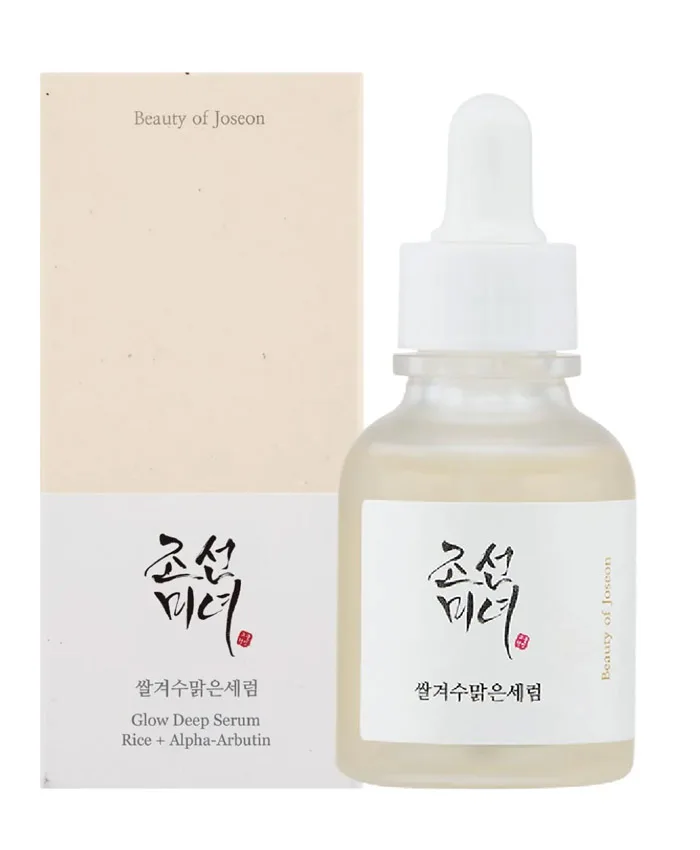
Beauty of Joseon Glow Deep Serum: Rice+alpha Arbutin Увлажняющая для Осветления Кожи Serum 30 ml
Beauty of Joseon Glow Deep Serum: Rice+alpha Arbutin Увлажняющая для Осветления Кожи Serum 30 ml is a serum by Beauty...
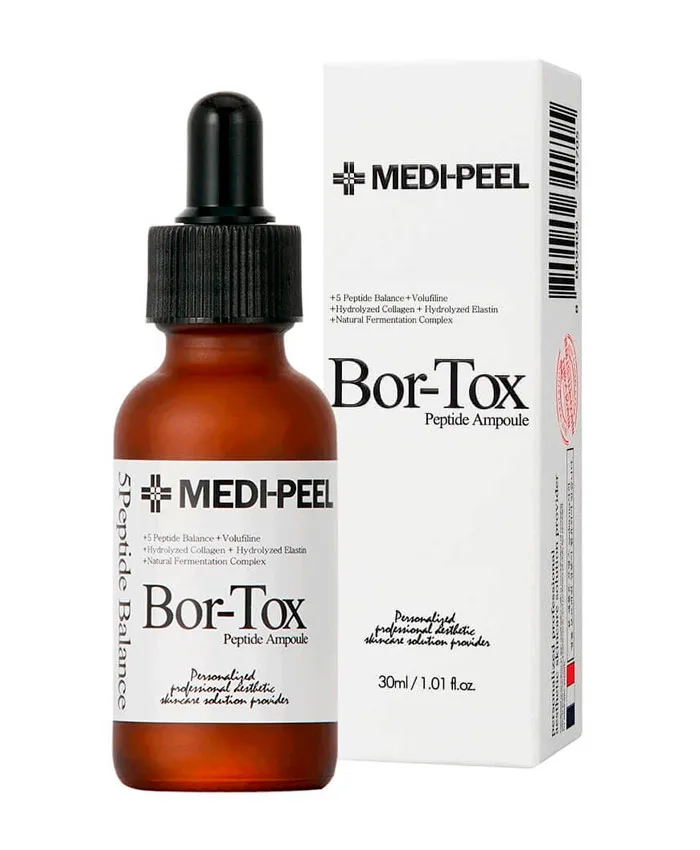
Medi-Peel Medipeel Bor-Tox Peptide Ampoule Serum 30 ml
Medi-Peel Medipeel Bor-Tox Peptide Ampoule Serum 30 ml is a serum by Medi-Peel.

- Using too much: a concentrated formula usually needs only a few drops.
- Choosing for the wrong concern: match the product to current needs and tolerance.
- Inconsistent use: visible results require consistency.
- Ignoring evening care: some active ingredients are easier to use at night.
Important: too much product can cause discomfort and irritation. Follow the manufacturer’s instructions.

- Give it time: early changes may appear within a week, while lasting results require consistency.
- Do not skip SPF: sun protection is especially important when using active ingredients.
- Listen to your skin: stop and reassess the formula if persistent discomfort occurs.
Introduce serums gradually and avoid starting several new active products at once.
Conclusion
A serum is a concentrated step that complements cleansing, moisturising and sun protection. A well-chosen formula helps address specific skin needs while supporting a healthy-looking complexion.
Frequently asked questions
How do I choose a serum for my skin type?
Consider the current concern as well as skin type: hydrating formulas for dry skin, niacinamide or acids for oily skin, and retinol or peptides for mature skin.
Can I use several serums at the same time?
Yes, but introduce them gradually and separate their application times. Avoid combining potentially conflicting actives without professional advice.
Should serum be rinsed off?
No. Let it absorb and follow with moisturiser.
At what age should I start using anti-ageing serum?
Choose according to the skin’s condition rather than age alone. Strong active ingredients should be introduced when needed.
How should serum be applied?
Apply 2–3 drops to clean skin and spread evenly without rubbing aggressively.
Can serum be used every day?
Most gentle formulas can be used daily. Introduce active formulas gradually.
Which is more effective, serum or moisturiser?
They serve different purposes: serum delivers concentrated actives, while moisturiser supports water retention and the skin barrier.
When can I expect results?
Initial changes may appear within 5–7 days, while lasting results usually require several weeks of consistent use.
Can serum be worn under makeup?
Yes. Let it absorb fully before moisturiser, SPF and makeup.
How should serum be stored?
Store it in a cool, dark place according to the label and protect unstable formulas from heat and light.